Board family 02
Glide, Trim and Noseriding
Longboards and mid-lengths are about glide: that long, smooth feeling of a board that keeps running when everything else stalls. They catch waves early, carry speed through flat sections and make knee-high days worth paddling out for.
Find your board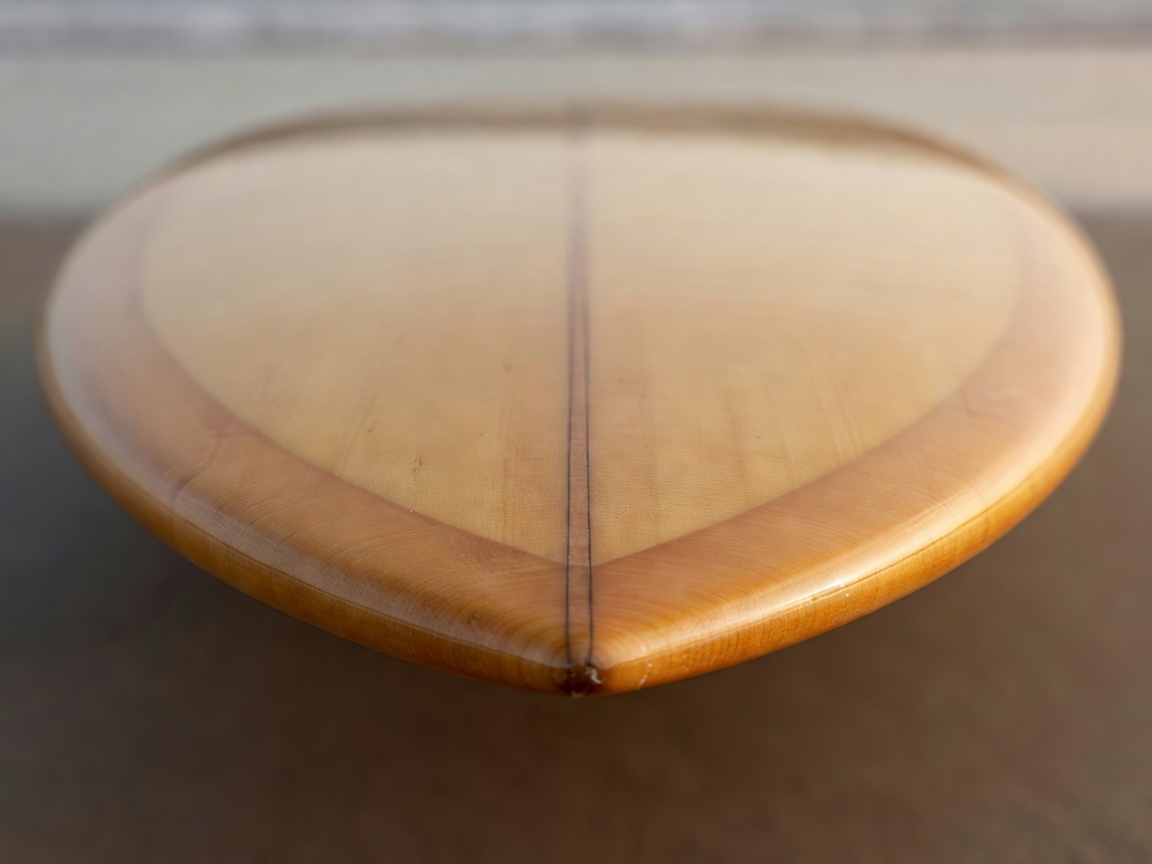
Two very different kinds of glide
A traditional log, usually 9'4" to 9'8" with a single fin, is ridden from the feet up. You walk the deck rather than throw it around, trim high on the face and, when the wave allows, perch five or ten toes over the nose. The heavy glass and soft, rolled rails that make noseriding possible also make the board slow to turn, and that's by design. Riding one well means reading where the wave's power sits and parking the board right in it.
Performance longboards are lighter, with thinner rails, a bit more tail rocker and often a 2+1 fin set-up. They turn more like a big shortboard and suit riders who'd rather carve than cross-step. Modern longboarding still carries both sides of the late-1960s split, when shapers such as Bob McTavish and George Greenough cut boards down in what became the shortboard revolution.
Mid-lengths sit in between, roughly 6'8" to 8'0". Eggs, funboards, single-fin pins and twin-fin mids all count. They paddle almost like a longboard but turn more like a fat shortboard, which is why so many surfers keep one for the days nothing else works.
Choose your level
Pick your length by level
Start here. A soft-top of 8'0" to 9'0" with 60 to 85 litres is the fastest way to stand up and actually ride along a wave. Catch Surf's Odysea range, or epoxy learner boards from Torq and NSP, survive the knocks of learning without big ding-repair bills. Your checklist: wide nose, flat rocker, three fins and a leash that fits.
A 7'0" to 8'0" mid-length may be the most useful board you ever own. Look for 45 to 60 litres if you weigh around 75 kg. A 2+1 or thruster set-up adds control while you work on turns; an egg or funboard keeps your wave count high while you learn to read the lineup and position yourself.
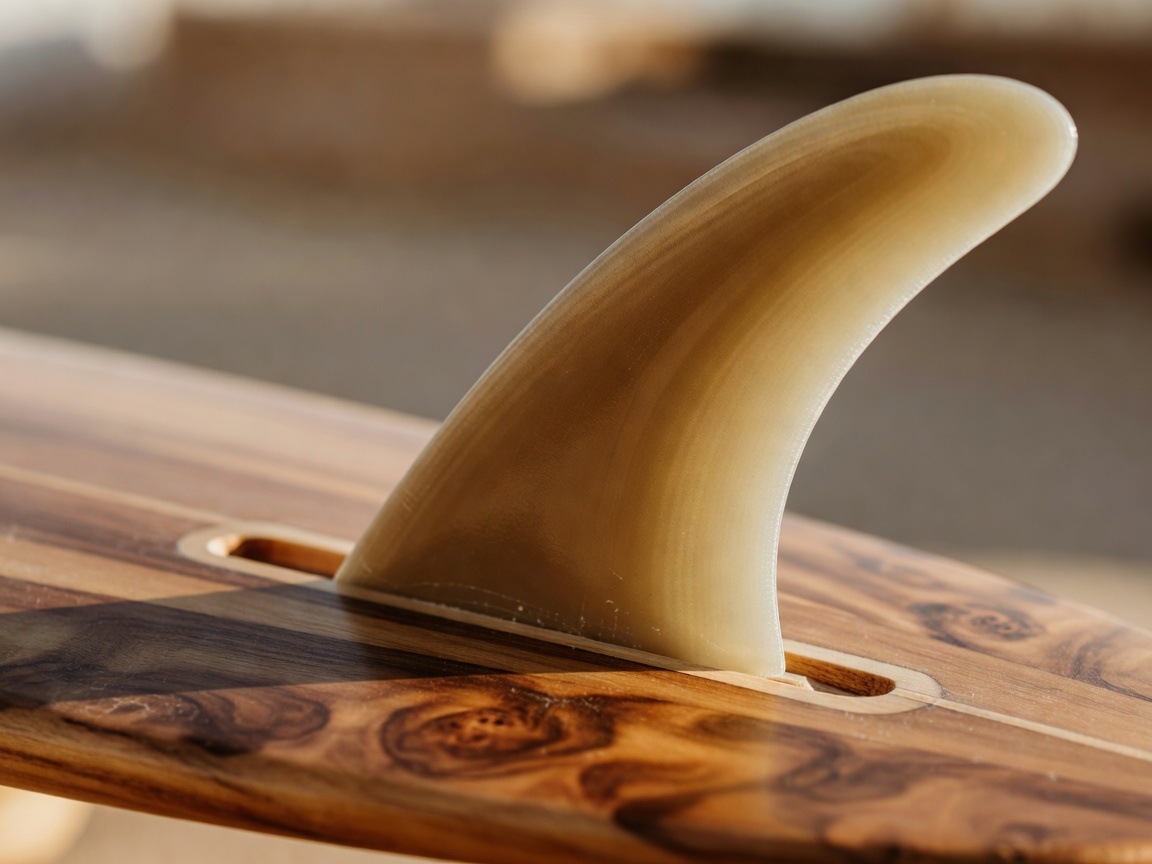
If noseriding is the goal, get a proper log: 9'4" to 9'8", heavy glass, a big single fin and a concave nose. Shapers like Thomas Bexon and Christenson build logs that hold trim with your toes over the edge. You'll give up turning speed and get back a feeling no other board can give you.
Long and mid boards by the numbers
Volumes assume a rider around 70 to 80 kg. Logs are often heavier than their litres suggest, which helps them hold trim.
| Board | Length | Volume range | Best waves |
|---|---|---|---|
| Soft-top learner | 8'0"–9'0" | 60–85 L | Whitewater to waist-high |
| Funboard / egg | 7'0"–8'0" | 45–65 L | Knee to chest, soft |
| Single-fin mid | 6'8"–7'6" | 40–55 L | Waist to head, long walls |
| Performance longboard | 9'0"–9'4" | 60–75 L | Knee to head, peeling |
| Traditional log | 9'4"–9'8" | 70–90 L | Small, slow, peeling points |
Where these boards come alive
Long boards were born for long waves. Waikiki, Duke Kahanamoku's home break, is still the classic picture of a log in trim. Malibu's First Point and the points of Noosa, home to the Noosa Festival of Surfing, made the case for style and footwork over power. You don't need to travel that far: slow, peeling sandbanks and gentle reefs anywhere suit them.
The feel is different from the first wave. Rather than pumping for speed, you set a line and let the board run. Step forward to accelerate, step back to slow down or turn. Cross-stepping, walking foot over foot instead of shuffling, keeps your weight centred and looks better too. On a mid, you get a softer version of that glide plus the option to draw a long, open carve.
One practical note: a 9'6" log doesn't fit every car or every flight's baggage policy. Measure before you buy.
Pros and cons of riding long
Pros
- Catches waves earlier than almost anything in the water
- Carries speed through flat sections
- Turns weak days into fun sessions
- Easy on the paddle and the shoulders
Cons
- Impossible to duck-dive, so big days mean long paddles
- Heavy and awkward on racks and flights
- Slow to turn in steep, hollow waves
- Easy to over-catch waves; mind your lineup manners
If you only own a shortboard and you live somewhere with small summers, a mid-length is the board most likely to double your water time.