Gear 04
Rubber, Grip and Cold Water
A wetsuit decides how long you stay in the water; wax decides whether you stay on the board. Get both right and you forget about them completely. Get either wrong and the session ends early, cold or with a faceplant.
Find your suit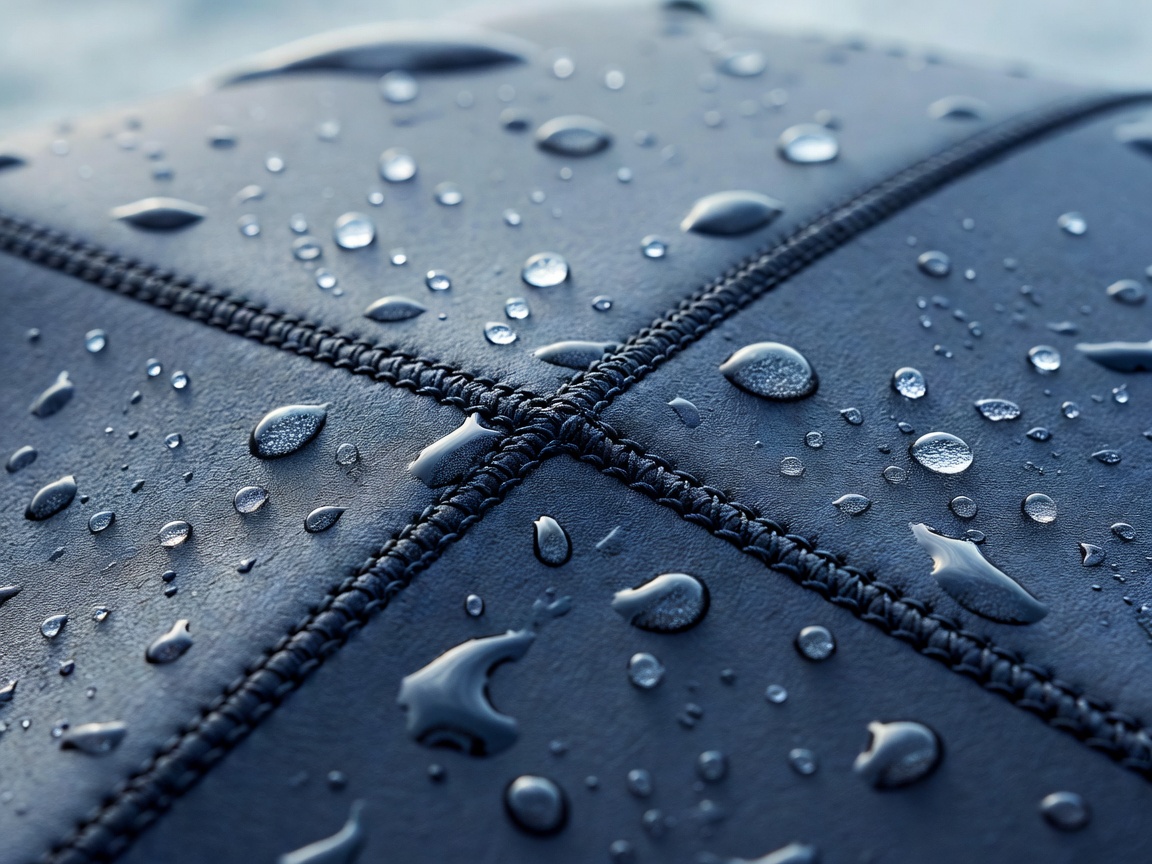
How a good suit should feel
A wetsuit works by trapping a thin layer of water against your skin and letting your body warm it. That only works if the suit fits: snug everywhere, with no baggy pockets at the lower back or armpits where cold water can flush through. When you try one on, reach overhead and mime a paddle stroke. If the shoulders fight you, it'll tire you out every session.
Thickness is written as two numbers. A 4/3 has 4 mm neoprene across the torso for warmth and 3 mm in the arms and legs for movement. Seams matter as much as thickness. Flatlock seams are stitched through and let some water in, which is fine for summer. Glued and blind-stitched (GBS) seams are glued then stitched without going all the way through. Taped or liquid-sealed seams add another barrier for winter.
The modern suit owes a lot to Jack O'Neill, who opened an early surf shop in San Francisco in 1952 and helped popularise neoprene for surfers. Today O'Neill, Rip Curl and Xcel lead on warmth and stretch, while Patagonia's Yulex suits replace most petroleum neoprene with natural rubber.
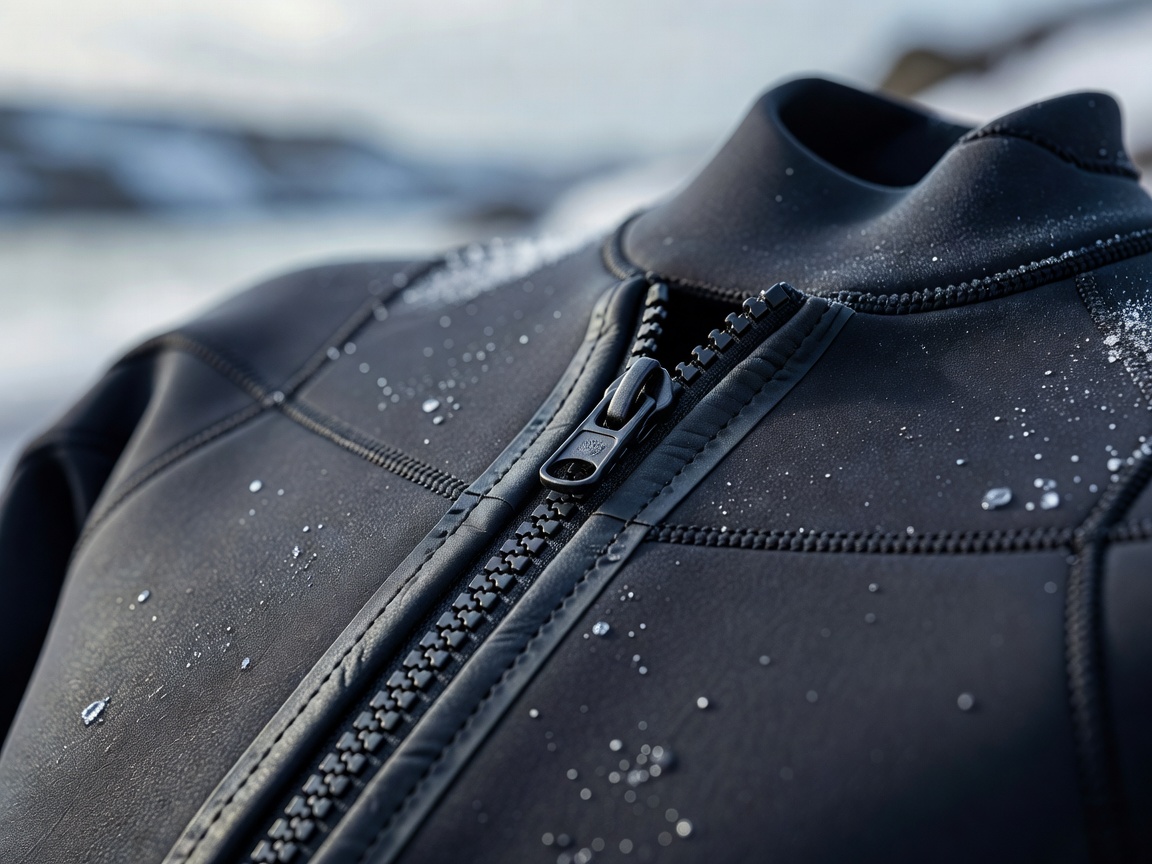
Wetsuit thickness by water temperature
A starting guide. If you run cold, or surf long sessions in wind, go one step warmer.
| Water temperature | Suit | Extras |
|---|---|---|
| 22°C and above | Boardshorts or rash vest | Sunscreen, surf hat |
| 18–22°C | 2 mm shorty or spring suit | None |
| 15–18°C | 3/2 full suit | None |
| 12–15°C | 4/3 full suit | Boots optional |
| 9–12°C | 5/4 full suit | Boots and gloves |
| Below 9°C | 6/5 hooded suit | 5–7 mm boots, gloves, hood |
Choose your level
What to buy at each stage
Buy one suit for the season you'll surf most. In British waters that's usually a 4/3, which covers late spring through autumn. A back zip is easy to get in and out of. Prioritise fit over features, rinse it in fresh water after every session and dry it inside out, away from direct sun.
Surfing more often? Move to a chest-zip suit with GBS seams for less flushing, and add a second suit so you're never pulling on a damp one. A 3/2 for summer and a 5/4 for winter, plus boots, keeps you in the water all year.
Look for lighter, stretchier neoprene that keeps paddle power high in long sessions, and liquid-sealed seams for deep winter. Rotate suits to extend their life, and fix small nicks early with neoprene cement before they become tears.
Wax: the grip you never think about
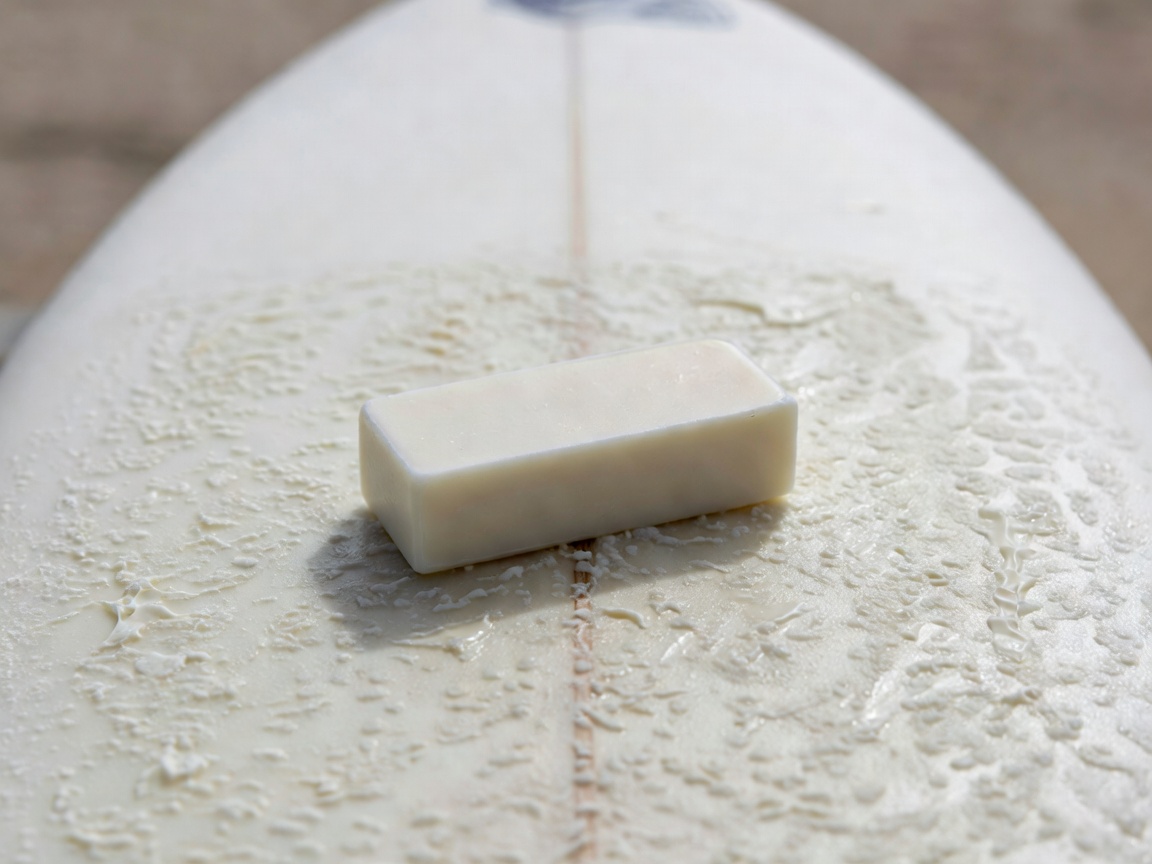
Good wax gives your feet a bumpy, tacky surface that holds when you pop up and lean into a turn. Most surfers use two layers: a hard base coat that builds the bumps, then a softer top coat matched to the water temperature. Wax is sold by temperature rating, roughly tropical for above 26°C, warm for about 20 to 26°C, cool for about 14 to 20°C and cold for below that. Use wax that's too soft and it smears; too hard and it won't stick.
Rub the base coat in small circles or a criss-cross pattern until bumps form, then add the top coat lightly. Freshen it with a wax comb before each session, and strip it every few months by warming the board in the sun and scraping it off. Sex Wax, made by Mr. Zog's since 1972, and Sticky Bumps are reliable classics.
Many shortboarders add a traction pad on the tail for back-foot grip. Longboarders usually wax the whole deck, nose included, for walking.
Chest-zip suits: pros and cons
Pros
- Less water flushing down the back
- More flexible across the shoulders
- Warmer for the same thickness
- Zip is less likely to dig in when paddling
Cons
- Harder to get in and out of, especially cold
- Usually costs more than a back zip
- Tighter neck feel takes getting used to
- Fiddly entry can strain the seams over time